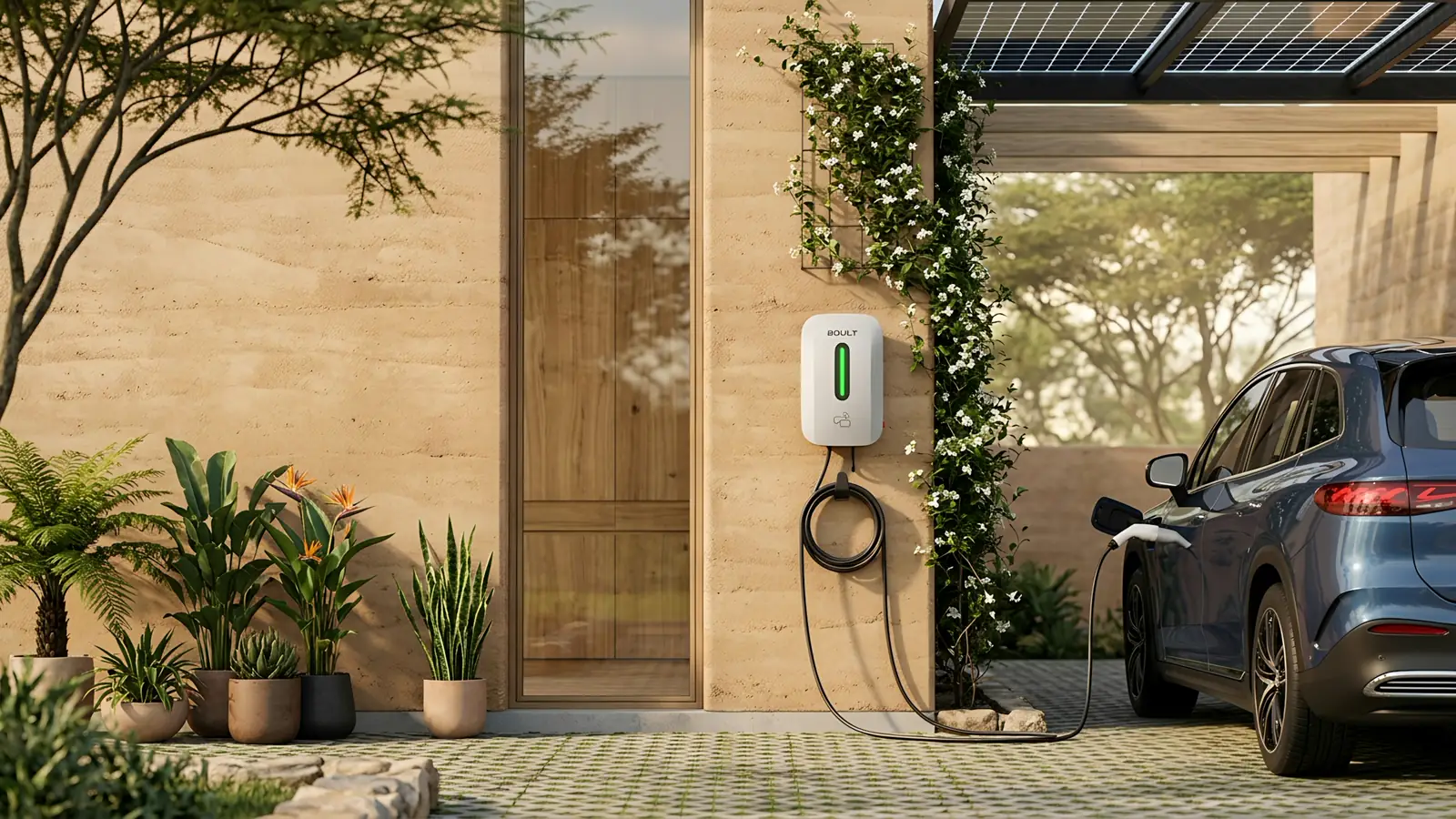
Most people think of a home charger as a box on the wall. The box is the easy part. What matters is what's behind it: whether your board can take another circuit, how the cable gets from the board to the drive, and how your home is earthed.
1. The photo check
We usually start with two photos: your consumer unit with the cover on, and where you park. That tells us most of what we need to quote.
2. The board
A charger needs its own circuit. If your board is old or full, it may need upgrading first. Better to know now than on the day.
3. The cable route
The shortest route isn't always the neatest. We'll suggest a route that looks tidy and keeps the cable protected.
4. Fitting and testing
We fit the charger, connect it, test the circuit, set it up with you and check the car charges.
5. Paperwork
Your local network operator needs to be told about a new charger. We do that, and leave you the certificate.
Questions worth asking any installer
- Will you check my board and earthing before you quote?
- Where will the cable run?
- Who notifies the network operator?
- What certificate will I get?
General information only. Every home is different, so speak to a qualified electrician about yours. Never work on anything live yourself.